
Oil, Belts, Air Conditioning
Oil, Belts and Air-Conditioning
Since 2009 · Se Habla Español · ASE Certified
At E&T Tires and Service, we're experts with belts, air-conditioning and oil changes. Our ASE-certified technicians have the tools and the knowledge to ensure you're safe while driving on the road. Any questions — we'll return your calls or emails the same day.
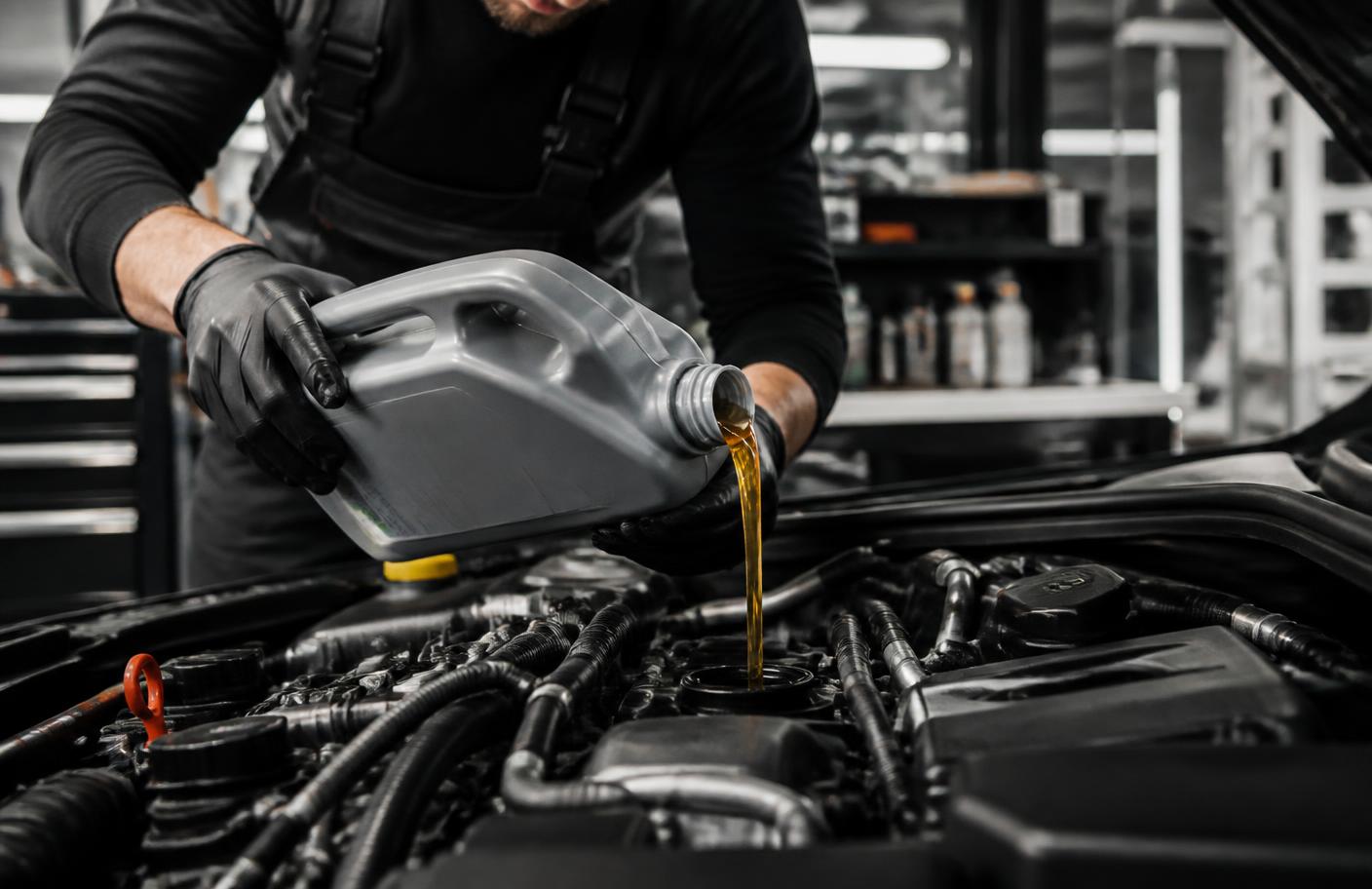
Oil, Lube and Filters
If your driving habits are considered "severe service," this type of driving requires more frequent oil changes. You should have your oil changed every 3–5,000 miles. For less wear and tear on the engine, drivers in cold climates (sub-zero driving temperatures) should drop their oil weight from 10-W30 to 5-W30.
- Description — an oil filter consists of a high-strength steel housing containing various types of filtering media. An anti-drainback valve prevents oil from running out of the filter when your engine is off
- Purpose — oil filters sift out contaminants, allowing oil to flow through the engine unrestricted. If the filter becomes clogged, oil flows around it — a safety mechanism you never want to rely on
- Maintenance Tips — usually this means oil and filter changes every 3,000 miles or 3 months. Dispose of used filters properly; the oil from one used filter leaking into a landfill can taint 62,000 gallons of groundwater
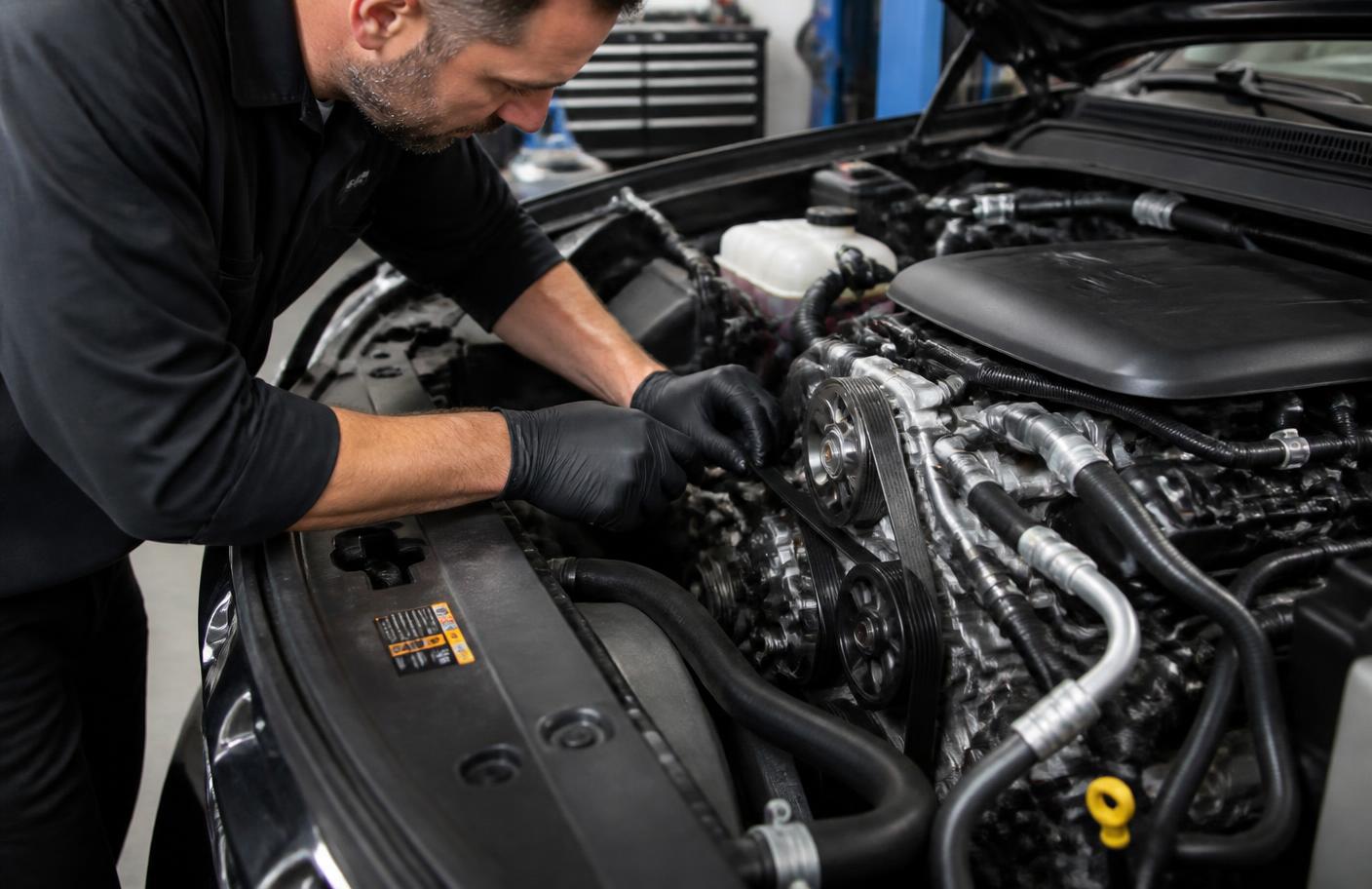
Belt and Hose Inspections
Exposure to contamination, heat and vibration makes belts and hoses wear out faster than any other components in your vehicle. Regular inspections are important.
Accessory Drive Belts — some accessories are electrically powered, while others use the engine itself as their power source, delivered by a system of pulleys and belts:
- Alternator
- Water pump for engine cooling
- Power steering pump
- Air-conditioning compressor
- Radiator cooling fan
- Many late-model cars use a single serpentine belt in place of individual belts
Hoses — hoses that convey your car's fluids are made of two rubber layers with a layer of fabric in between:
- Radiator and Heater Hoses — convey coolant to the engine and heater core
- Fuel Hose — transports gasoline from the tank to the engine
- Power Steering Hose — connects the power steering pump to the steering gear
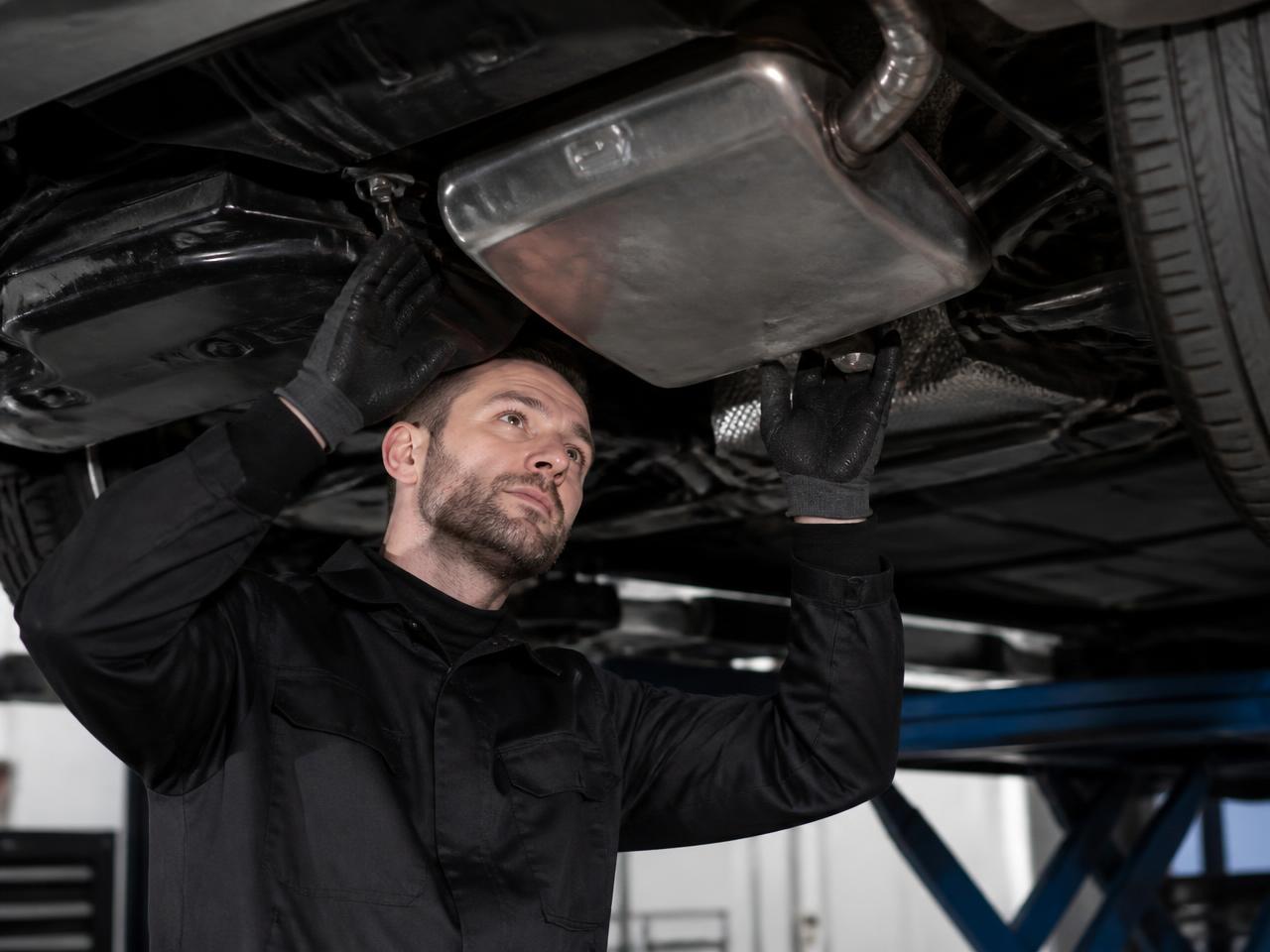
Exhaust Systems
Your exhaust system is more than a muffler. It's a series of pipes that run under your car connected to your muffler and catalytic converter, controlling noise and funneling exhaust fumes away from passengers — much like a chimney on your house.
Exhaust systems also convert pollutants into less harmful byproducts, reduce engine noise and provide the right amount of back-pressure to improve fuel-burning efficiency and performance. Key components include:
- Exhaust Pipes — designed for each car model to route exhaust to the back of the car
- Exhaust Manifold — collects exhaust gases from all cylinders and releases them through a single opening
- Catalytic Converter — transforms pollutants into water vapor and less harmful gases
- Muffler — metal container with holes, baffles and chambers that muffles exhaust noise
- Resonator — works with the muffler to reduce noise
- Tail Pipe — carries exhaust gases away from the vehicle
Air-Conditioning Service
Shifting in your seat, you turn on that AC knob only to discover an unwelcome blast of warm air streaming out from the vents. That's when you turn to E&T Tires and Service!
Without regular maintenance an air conditioner loses about 5% of its original efficiency per year — but you can still recover most of that lost efficiency. Schedule an appointment with one of our factory-trained professionals. Basic components of the system:
- Compressor — a belt-driven device that compresses refrigerant gas and transfers it into the condenser; the core of your AC system
- Condenser — cools the refrigerant, radiating heat released by compressed gases and condensing them into high-pressure liquids
- Receiver (drier) — a storage receptacle for the refrigerant that absorbs moisture and filters debris and harmful acids; change every 3–4 years
- Orifice Tube/Expansion Valve — regulates the flow of refrigerant and converts high-pressure liquid into low-pressure liquid before the evaporator
- Evaporator — removes heat from inside your vehicle, cooling your car and reducing humidity
Cooling System Maintenance
Let our ASE-certified technicians inspect the components of your vehicle. Their condition will be recorded and compared to manufacturer's specs. Recommendations are made per the Motorist Assurance Program Uniform Inspection Guidelines.
Heating and Air-Conditioning Systems
- Visual inspection
- Interior controls and blower
- Radiator coolant level, hoses, pressure cap and thermostat
- The AC compressor belt for condition and tension
- Leaks or other damage
- Component condition, leaks or damage
Heating and Air-Conditioning Tests
- Pressure test engine cooling system
- AC system pressures measured and compared to manufacturer's specifications
- AC system is leak tested
- Heater and AC performance tested at the discharge vents
Same-Day Service & Free Wi-Fi
Enjoy FREE Wi-Fi while your vehicle gets serviced. We provide same-day service and same-day estimates.
Call 706-529-5645