
Wheels, Tires, Front End
Wheels, Tires and Front End Work
Since 2009 · Se Habla Español · ASE Certified
Count on E&T Tires and Service for any kind of wheel, tire or front end work you need done. With over 25 years of experience, we're ASE certified and have a wealth of knowledge when it comes to front end work. Call today to schedule an appointment or receive a FREE estimate on most jobs.
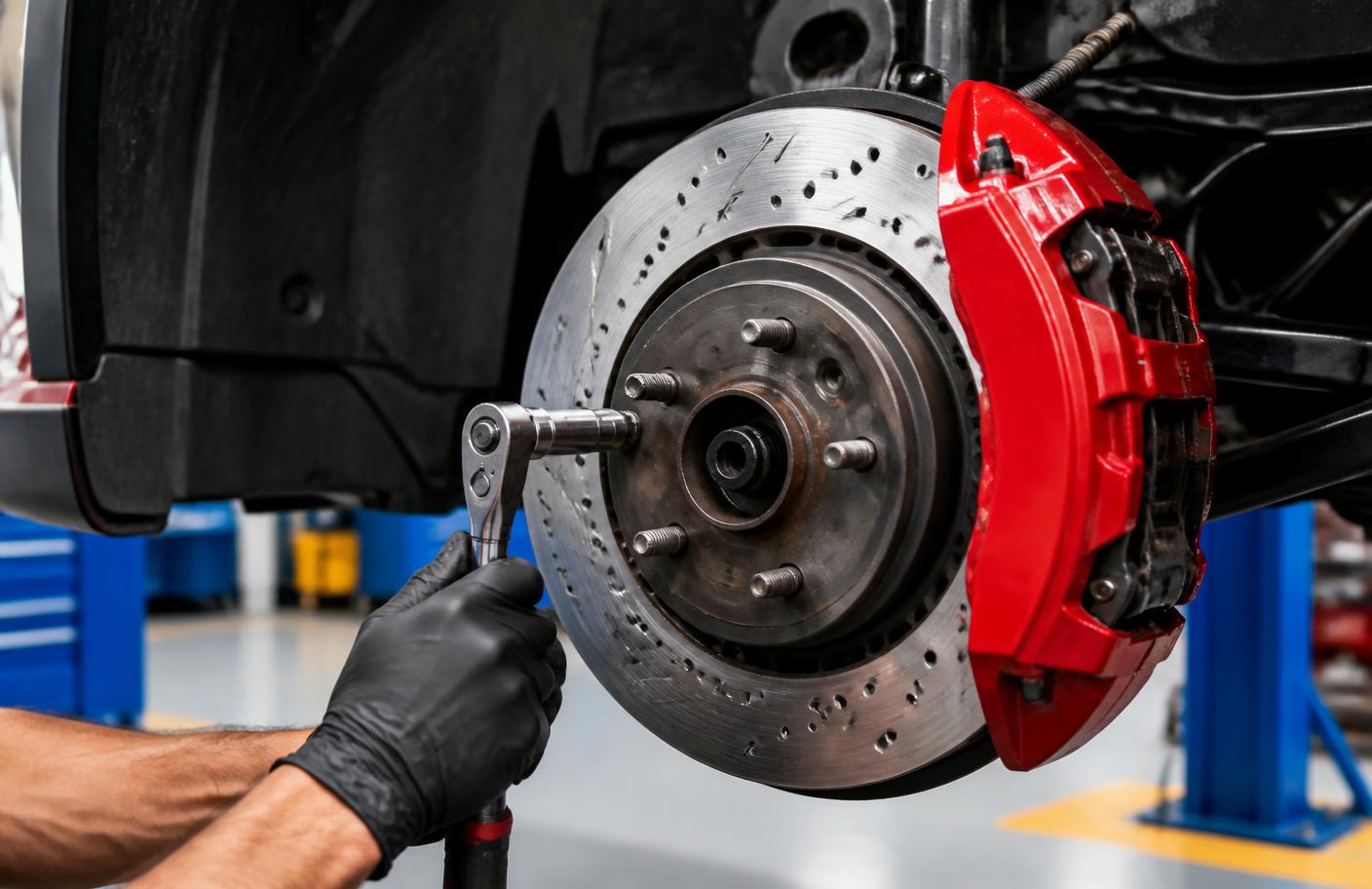
Braking Systems
Your brake system is composed of two systems — hydraulics and friction materials. This is what happens within these systems between the time your foot steps on the brake pedal and your car stops.
Hydraulics
- Master Cylinder — when pressure is applied to the pedal, the master cylinder creates hydraulic pressure pushing brake fluid to the wheel brakes
- Brake Lines and Hoses — steel brake lines and high-pressure rubber hoses are where pressurized brake fluid travels
- Wheel Cylinders and Calipers — hydraulic cylinders that apply pressure to the friction materials, making your vehicle stop
Friction Materials
- Disc Brake Pads and Drum Brake Shoes — brake linings composed of high-temperature materials that create the friction that stops your car
Types of Brakes
- Disc Brakes — a disc brake rotor attached to the wheel and a caliper holding the disc brake pads. Hydraulic pressure from the master cylinder causes the caliper piston to clamp on the rotor between the pads, creating friction that slows or stops your car
- Drum Brakes — a brake drum attached to the wheel, wheel cylinder, brake shoes and return springs. Hydraulic pressure presses the shoes against the drum to slow or stop your car
- Parking Brake — uses cables to mechanically apply the brakes (usually the rear brake) to prevent your car from rolling when not being driven
- Anti-Lock Brakes — computer-controlled ABS prevents wheel lock-up during a sudden stop using wheel-speed sensors, computer-controlled hydraulics that pulse the brakes rapidly, and the on-board computer
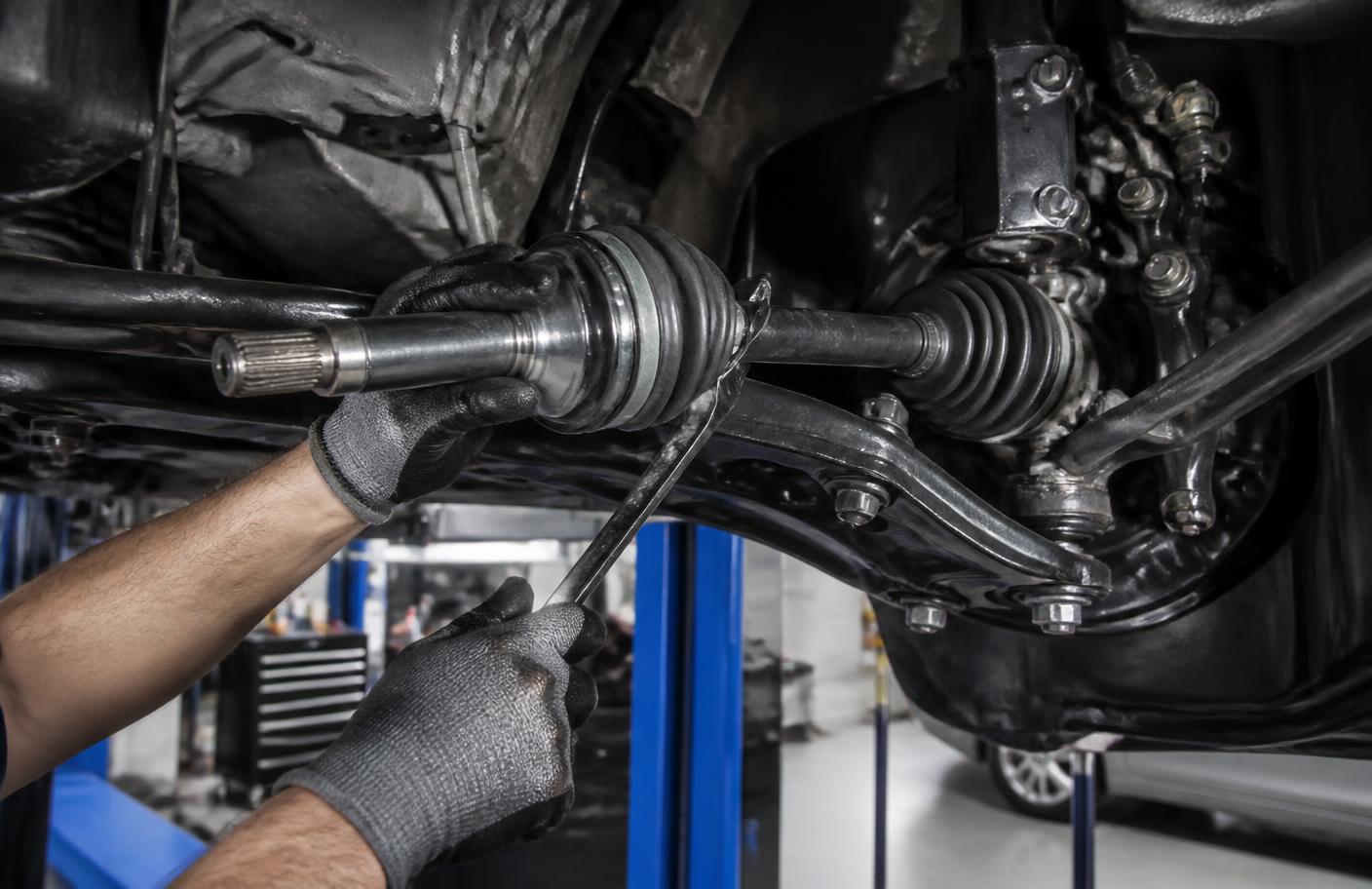
CV & Drive Axle
The axle on your vehicle is the structural component connecting two wheels together on opposite sides. It's a load-bearing assembly acting like a central shaft, maintaining the position of the wheels to each other and to the vehicle body.
The construction of the axle is designed to what your vehicle is built for; trucks and off-road vehicles are equipped with axles that keep the wheel positions steady under heavy stress, while conventional axles are constructed for the general consumer.
No matter what you drive, your vehicle's axle must bear the weight of your vehicle (plus any cargo) and the acceleration forces between you and the ground. When it comes to axle inspection, we're your source for professional, knowledgeable service.
- Drive/CV Axle — a drive axle is driven by the engine. Found in modern front-wheel-drive vehicles, it's split between two half axles with differential and universal joints between them. Each half axle connects to the wheel by a constant velocity (CV) joint that allows the shaft to rotate, transmitting power at a constant speed without significant friction and heat. CV joints are dependable but require regular inspection. Drive slowly in tight circles in a large space — if you hear a clicking or cracking noise, you have a worn joint that should be repaired immediately
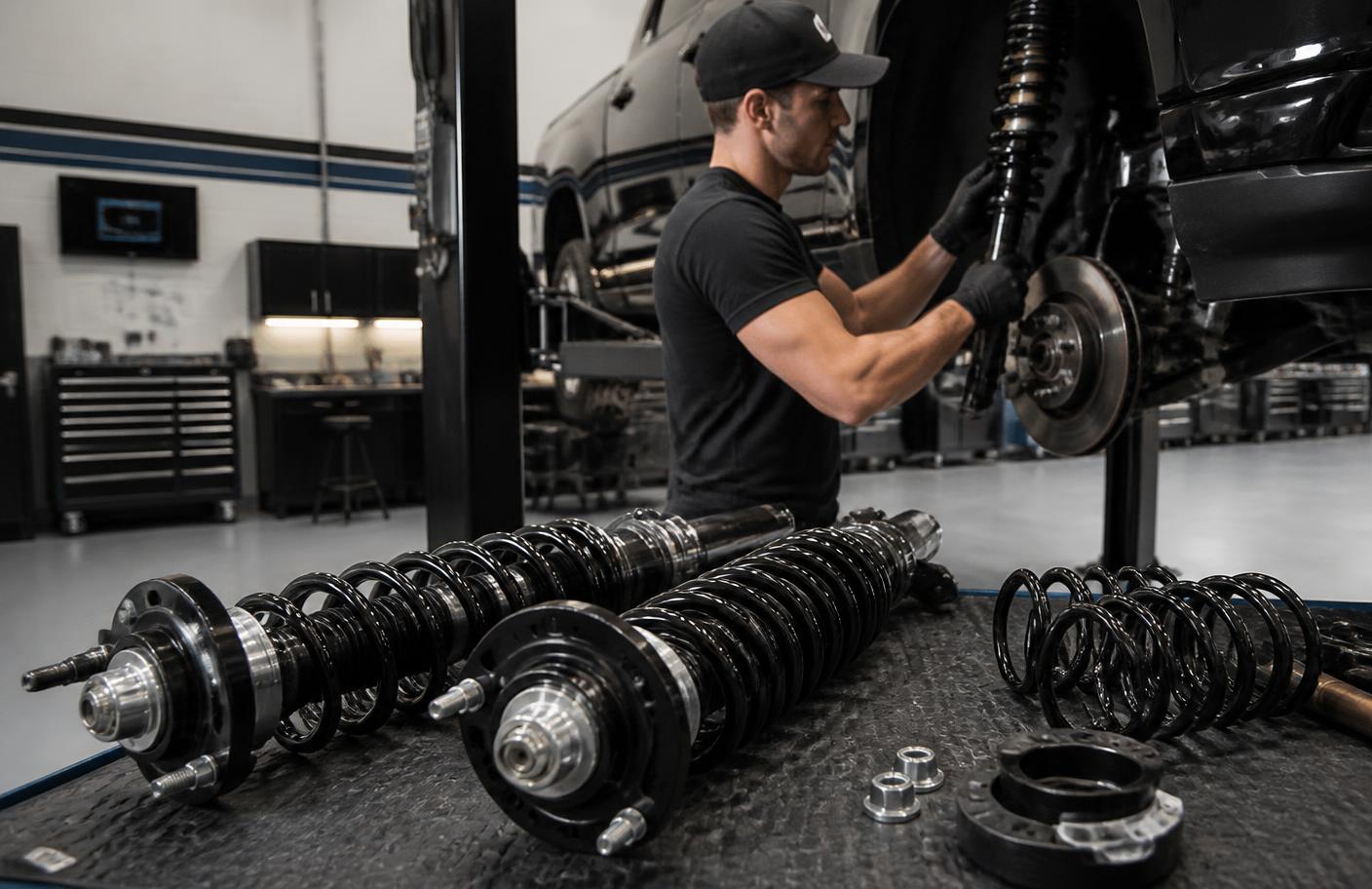
Suspension and Steering Systems
The primary function of your vehicle's suspension and steering system is to allow the wheels to move independently of the car, while keeping it "suspended" and stable. Play or uncontrolled motion in these systems results in a deterioration of handling and faster tire wear. Vehicle alignment is tied to the condition of the suspension and steering systems.
Steering Systems — loose or worn components affect the ability to control the toe angle and could result in loss of directional stability and accelerated tire wear. Conventional system components:
- Steering Gear Box
- Center Link
- Pitman Arm
- Idler Arm
- Tie Rods
Rack and pinion steering components:
- Rack and Pinion Assembly
- Bellows Boots
- Tie Rods
Suspension System — worn or loose components affect the system's ability to control motion and alignment angles. Main components:
- Control Arms
- Ball Joints
- Springs (Coil or Leaf)
- Shock Absorbers
- Struts
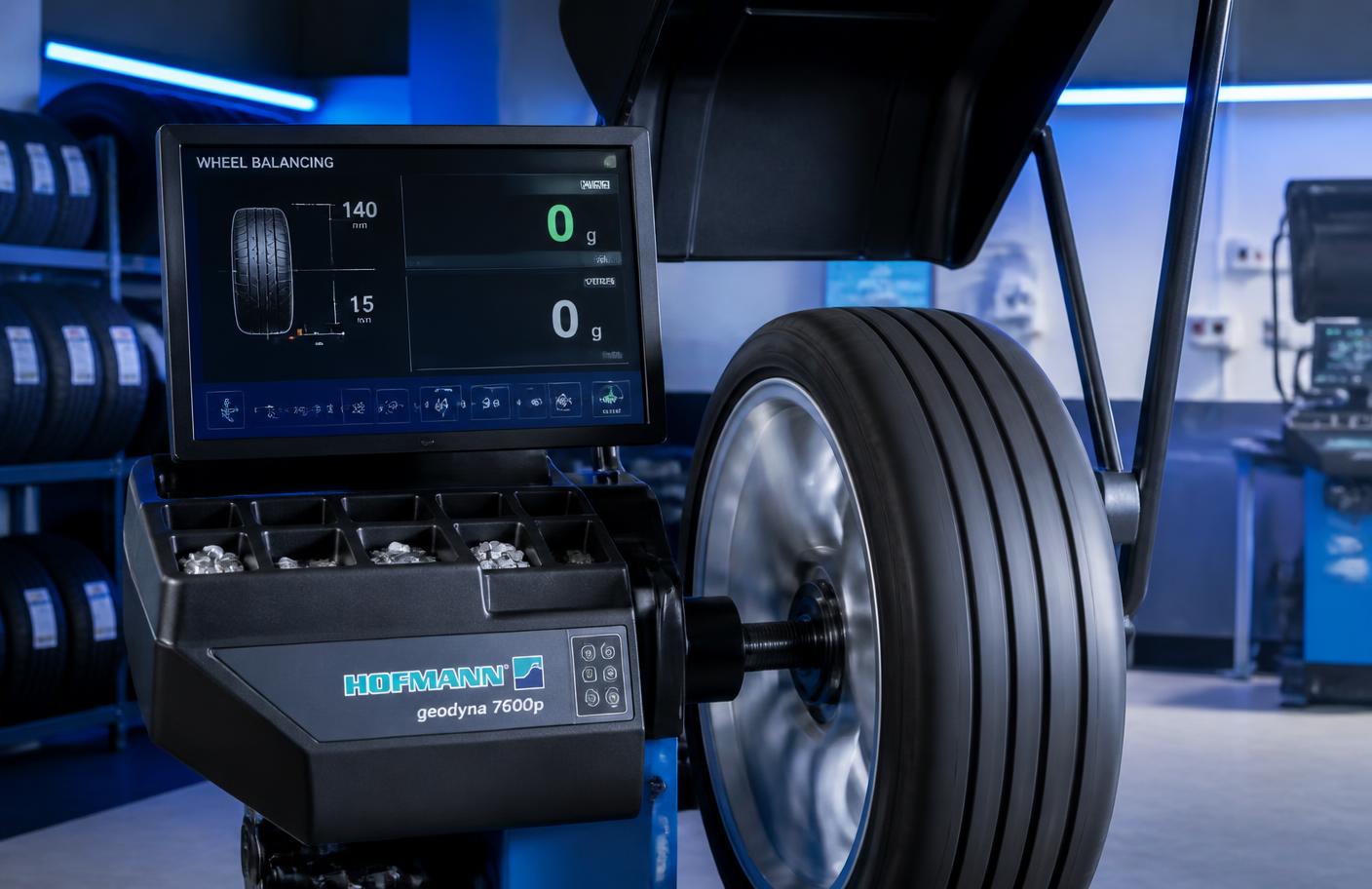
Wheel Balance
Sometimes confused with wheel alignment, a properly balanced wheel is a perfectly tuned wheel-tire combination. By placing measured lead weights on the opposite side of the "heavy spot," the noticeable tread wear on your unbalanced tire is visual.
How do I know if I need my wheels balanced? If your vehicle vibrates at speeds between 50 and 70 mph, your wheel is out of balance — one section of your tire is heavier than the other. Stop by for professional service if you notice:
- Scalloped, erratic wear pattern on tires
- Vibration in the steering wheel, seat or floorboard at certain speeds
Wheel Alignment
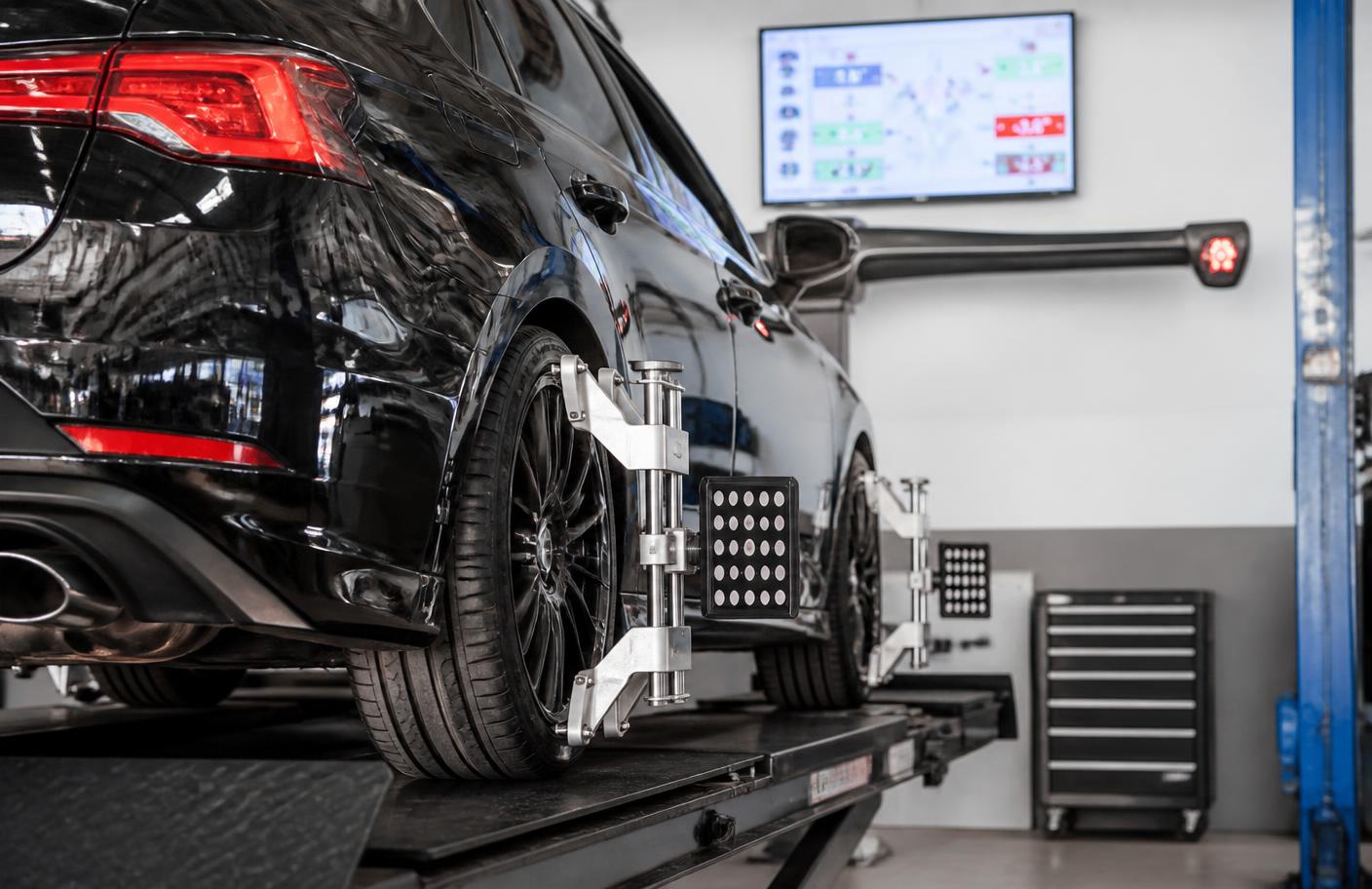
Wheel alignment is the position of the wheels on your car. When aligned properly, the wheels point in the right direction. With improper alignment, the wheels resist your steering commands, as well as each other. Alignment affects gas mileage and tire wear too.
We use computerized alignment equipment to measure alignment angles on today's vehicles. The most common adjustable angles are:
- Toe — the tilted direction of the wheels toward or away from one another viewed from the top. The most critical tire-wearing angle
- Camber — the tilt of the wheels toward ("negative camber") or away from ("positive camber") one another viewed from the front
- Caster — the angle of the steering axis relative to a vertical line through the center of the wheel viewed from the side. Proper caster stabilizes your car for optimal steering
- Thrust Angle — the relationship of all four wheels to each other and to an imaginary center line running bumper to bumper
Tire Replacement, Wheels and Rotation
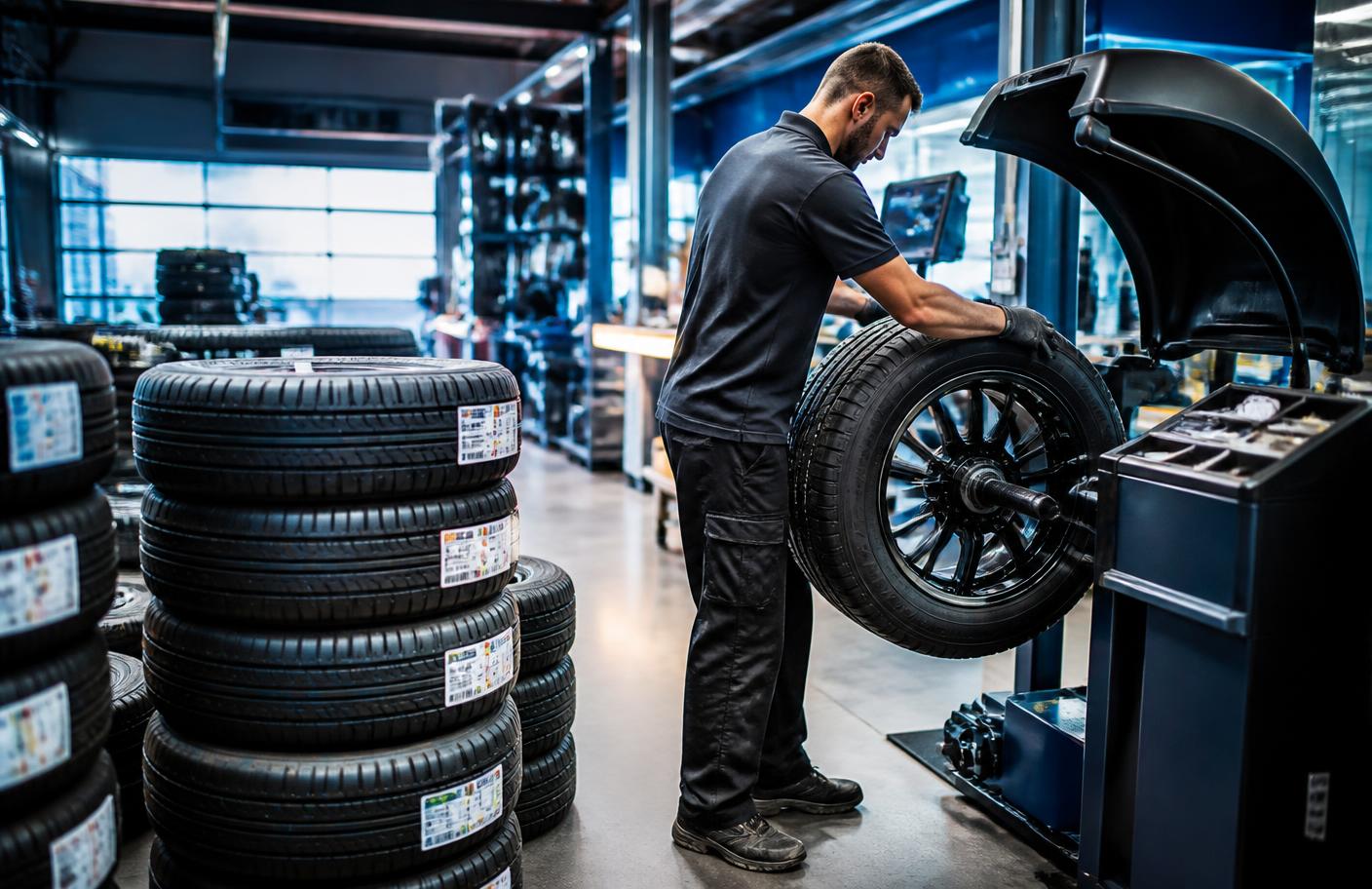
The staff at E&T Tires and Service can help you choose the right tires for your vehicle — stop by today!
- Description — the regular practice of switching the position of each tire on the car
- Purpose — tire rotation equalizes tread wear and is critical to gain the maximum life from your tire investment
- Maintenance Tips — read your owner's manual for the recommended rotation interval and pattern; generally a rotation interval of 6,000 miles is best. Rotation patterns vary with different makes and models. Tire rotation time is also a good opportunity to have the tires and wheels balanced
Brand names include: Goodyear, Kelly Tires, Mobil 1 and AC Delco. We are members of the National Federation of Independent Business (NFIB).